The Pacific Learning Blog

Learning tips for BC families

Reading, writing, and math strategies you can use at home tonight — plus free printables and activities built around the BC curriculum, from a certified teacher.

Teaching Ancient Rome Without Turning It Into a Timeline/Story/Test...Done!

Teaching Ancient Rome Without Turning It Into a Timeline/Story/Test...Done!

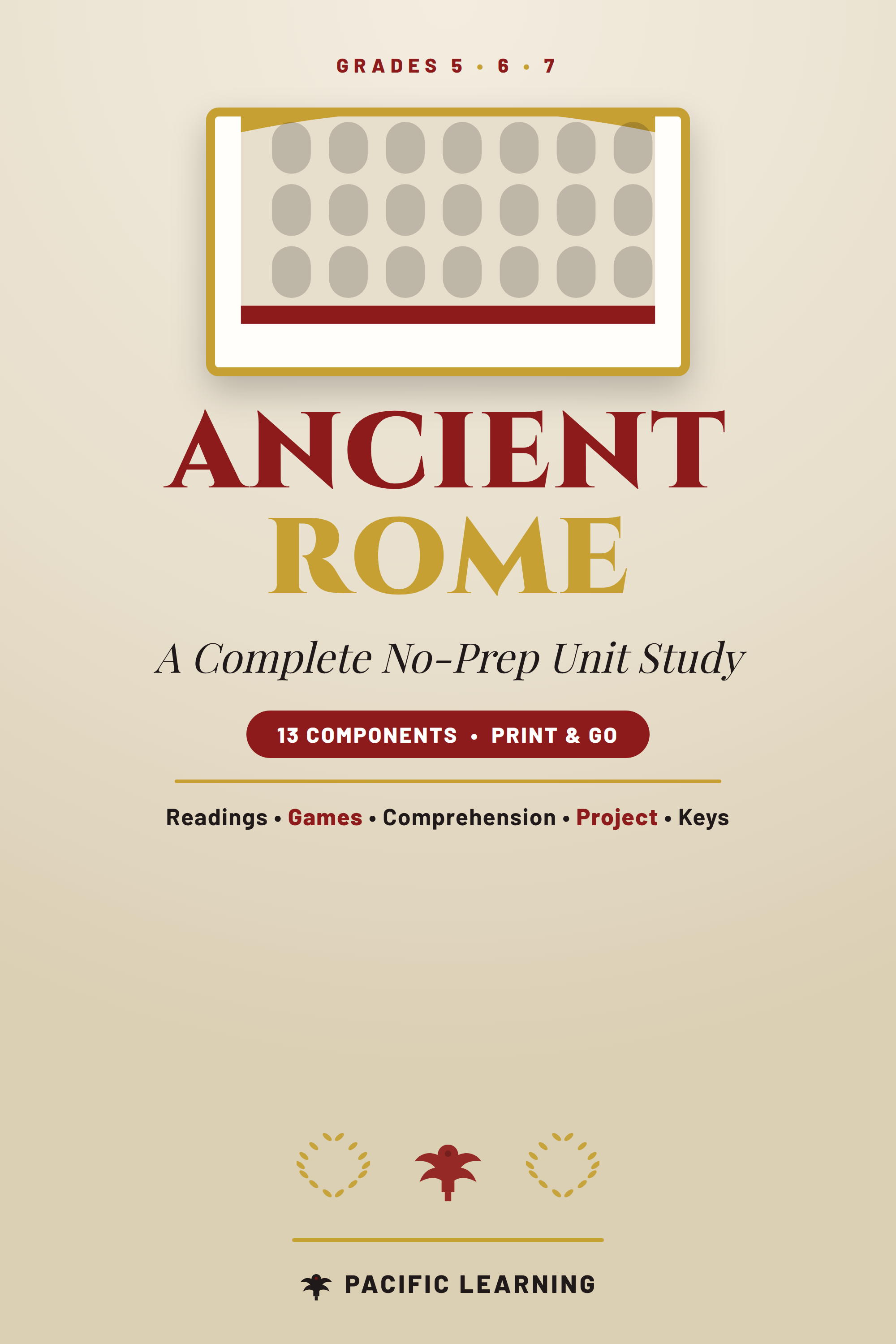
Ancient Rome is the unit kids either love or sleep through, and the difference is almost never the content. Project based, games and conversations is how I stopped teaching it as a list of roman emperors and started teaching it as a place kids could actually stand in!

Read the post →

They Can Read the Words. They Just Can't Answer the Question.

They Can Read the Words. They Just Can't Answer the Question.

The most common reading problem I see in Grades 6 and 7 isn't decoding — it's kids who read a passage fluently and then have no idea what it was about. Here's how I actually teach the skills underneath.

Read the post →
Learning Your Childs Hidden Potential!

Learning Your Childs Hidden Potential!

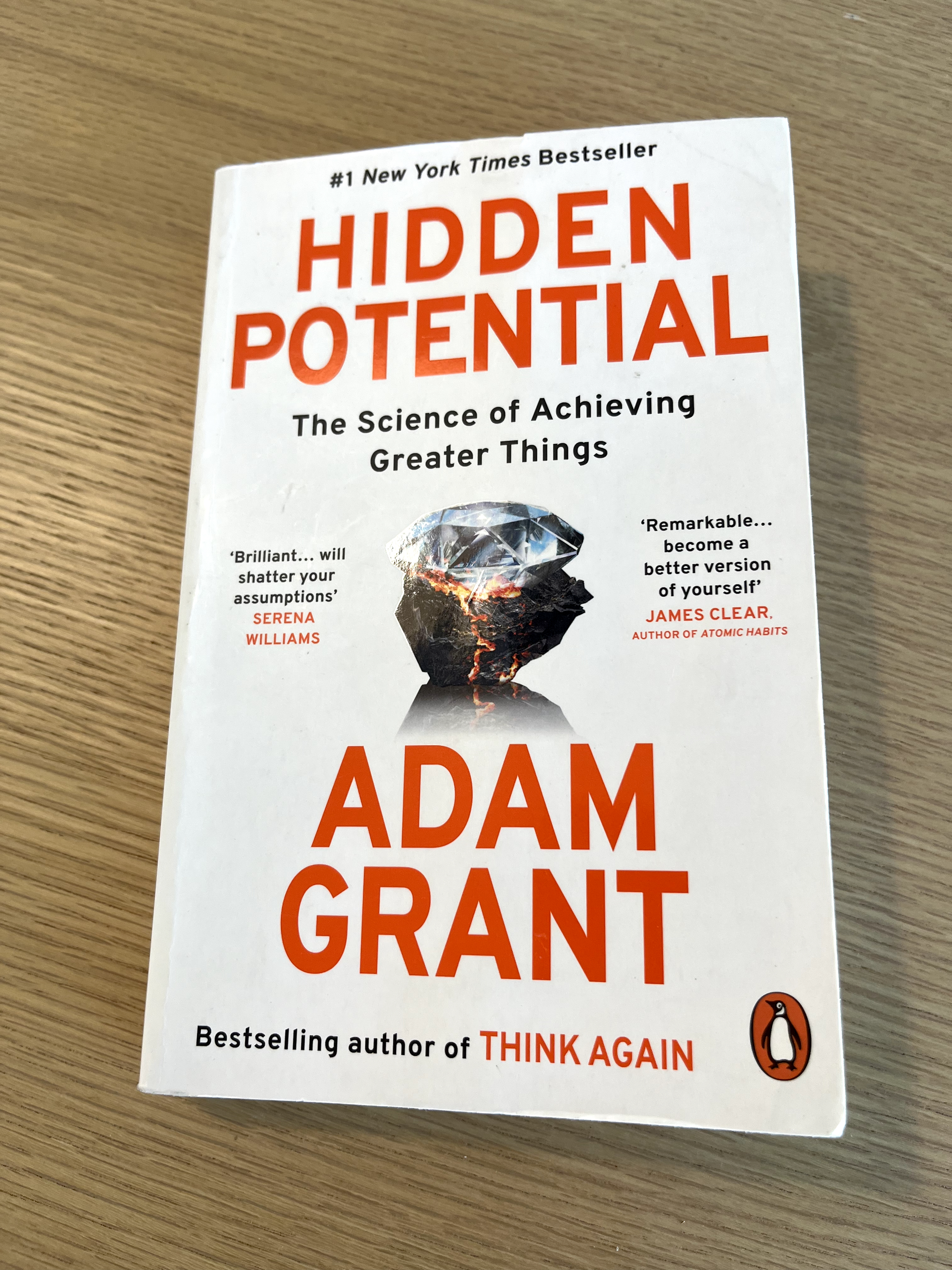
What if the key to helping a struggling student isn’t fixing the problem we see, but understanding the feelings underneath it? Inspired by Adam Grant’s Hidden Potential, this post explores how parents and teachers can look beyond “I’m not good at math” or “reading is boring” to uncover what’s really holding a child back. From thoughtful conversations and free-writing exercises to building confidence and finding alternative pathways to success, discover how we can help children see potential where they and sometimes why we don’t yet see it!

Read the post →
Teaching Ancient Rome to Grades 5–7: What Worked, What Flopped, and What I Changed

Teaching Ancient Rome to Grades 5–7: What Worked, What Flopped, and What I Changed

An honest run-down of my no-prep Ancient Rome unit with a mixed group of Grade 5–7 students — the readings and games that landed, the parts that didn't, and the small changes that made the whole thing click.

Read the post →
Connection Activities for Students in the Classroom

Connection Activities for Students in the Classroom

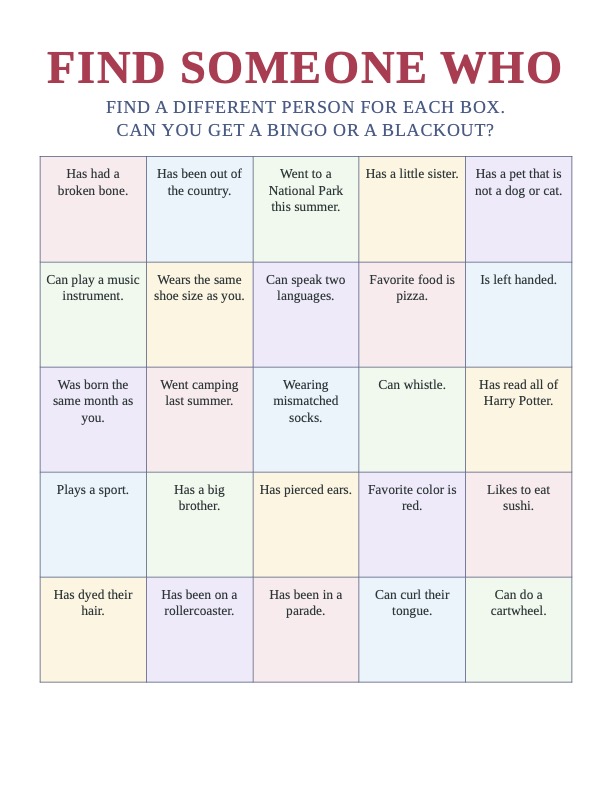
A 5×5 get-to-know-you mixer for the first days of school. Students move around the room and find a different classmate for each square; "someone who's broken a bone, speaks two languages, can curl their tongue, and so on". Writing a name in each box. The goal is to complete a line for a "bingo", make an "X" or fill the whole grid for a "blackout." A low-prep icebreaker that gets kids talking, moving, and discovering things they have in common. Works well for a combined Grade 4-7 class and takes about 20 minutes.

Read the post →
Why I Keep Coming Back to Holes: One of My Favourite Novels to Teach

Why I Keep Coming Back to Holes: One of My Favourite Novels to Teach

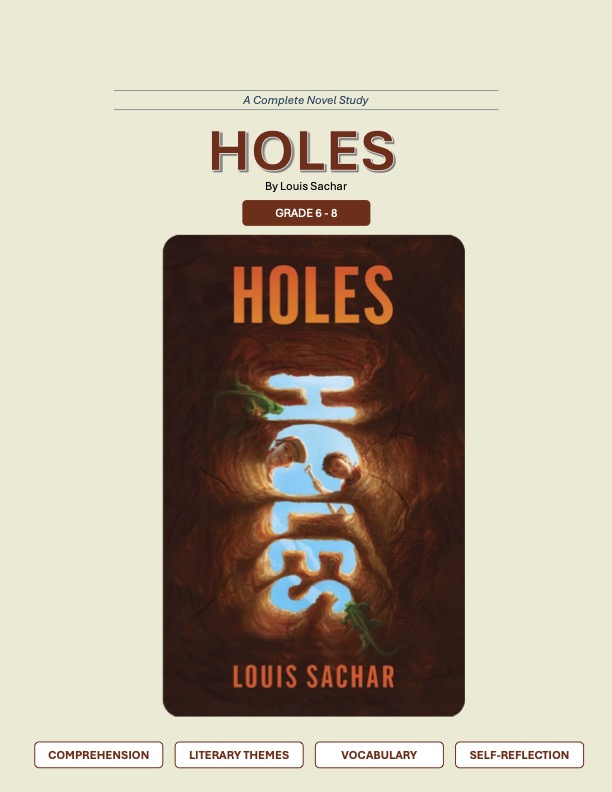
I think Holes is one of those rare novels that gives a teacher a lot to work with without feeling like you're forcing curriculum into it. It helps students visualize the story, use imagination and communicate. You can teach inference, literary terms, like irony, symbolism and flashbacks. You can teach themes, exploring justice, friendship, perseverance, and fate. Perhaps most importantly, you can have students actually enjoy reading the book while they're learning all of those things!

Read the post →
5 Ways to Build a Stronger Reader at Home

5 Ways to Build a Stronger Reader at Home

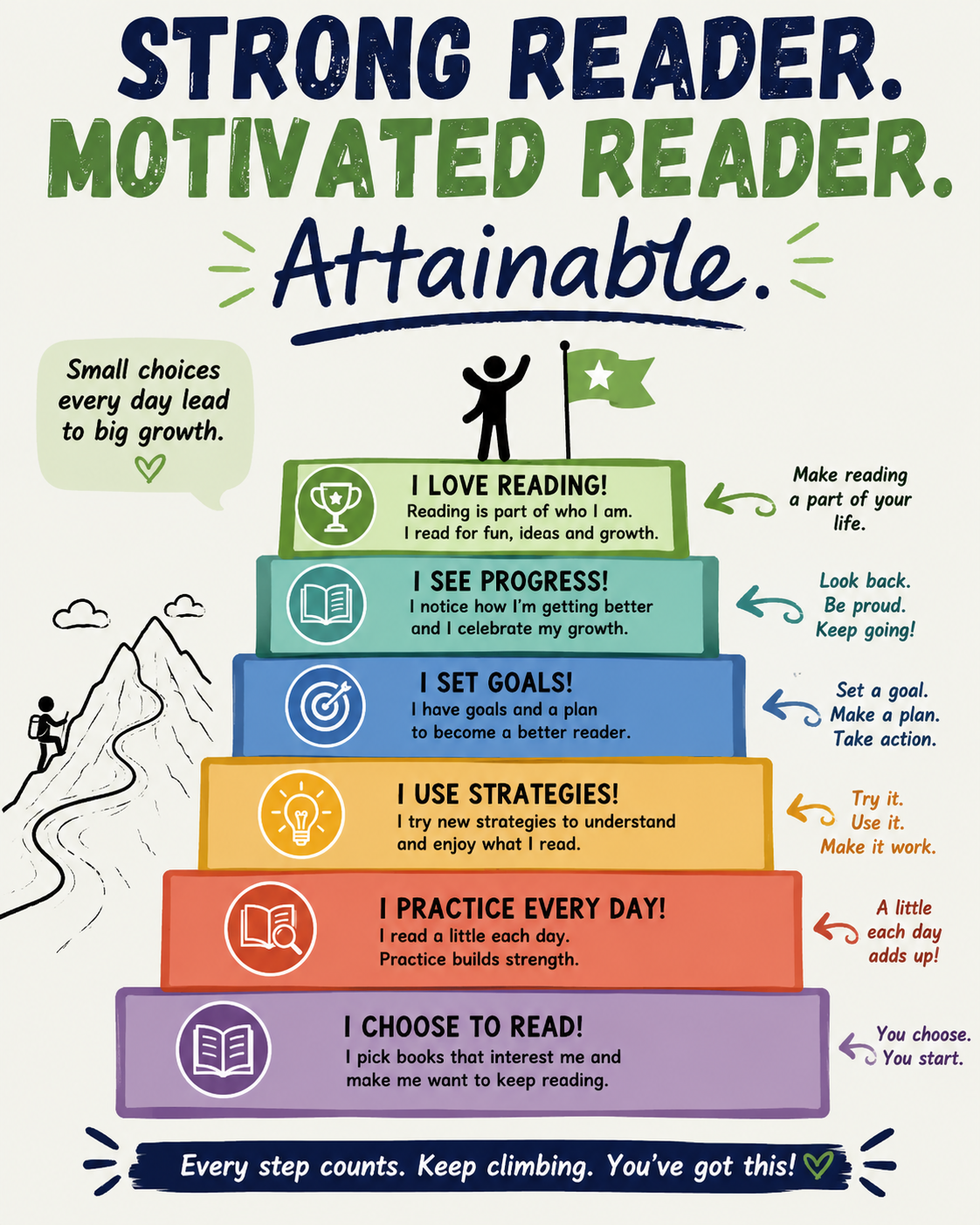
Simple, low-pressure routines that help kids in grades 4–7 read more confidently, avoid pushing and encourage choosing!

Read the post →